
• History

The Paramount Story

As the longest operating and only remaining major studio in Hollywood, Paramount Pictures has been on the ground floor of every major development in film – from the advent of motion pictures, to the emergence of television, through the digital revolution. During our 100-year history, we have served as the production site for thousands of notable movies and TV shows.
Today, we continue to partner with projects large and small in a ceaseless effort to create celebrated movies, television shows, and commercials.


Our studio lot has grown considerably over the years, expanding from 26 acres and four stages to 65 acres and thirty stages. We have also constructed other impressive sites like the massive Blue Sky Tank and our one-of-a-kind New York Street backlot, which features ten distinct city neighborhood backdrops. When you visit our lot, not only will you see where some of the most celebrated movies and television series were made, but also see how we continue to produce iconic motion pictures for the next century.


At Paramount, you will get to wander through the past and see the future at the same time.

The Early Years

1912 - 1929

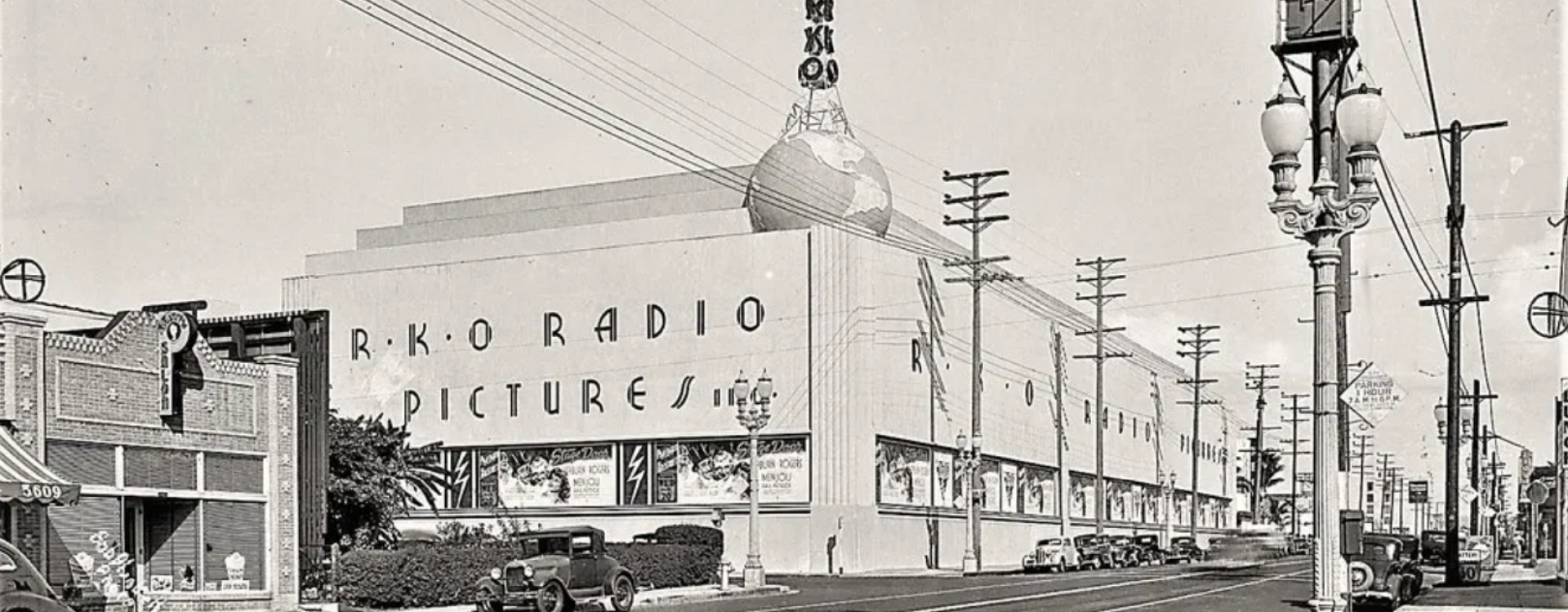
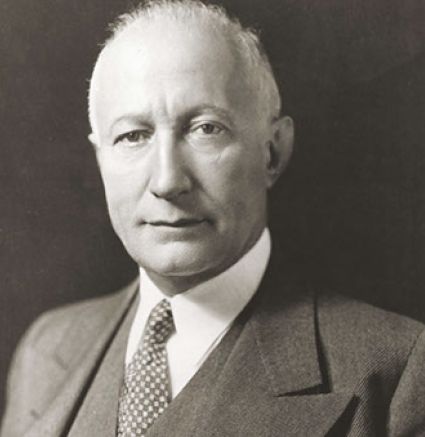
Paramount Pictures began humbly in 1912 when Adolph Zukor, the owner of a New York nickelodeon, released the first full-length drama shown in the United States (Queen Elizabeth, starring Sarah Bernhardt) and founded the Famous Players Film Company. A year later, Zukor began distributing his films through a start-up company called Paramount Pictures.

In 1916, Zukor’s Famous Players merged with The Jesse L. Lasky Company, which was producing films in Hollywood (including the first feature-length film ever produced in Hollywood – The Squaw Man) and also using Paramount Pictures as a distributor. The newly formed Famous Players-Lasky Corporation, soon consolidated with the distribution company (in which Zukor was a major stockholder) and all three companies became what you now know as Paramount Pictures.
1930 - 1959

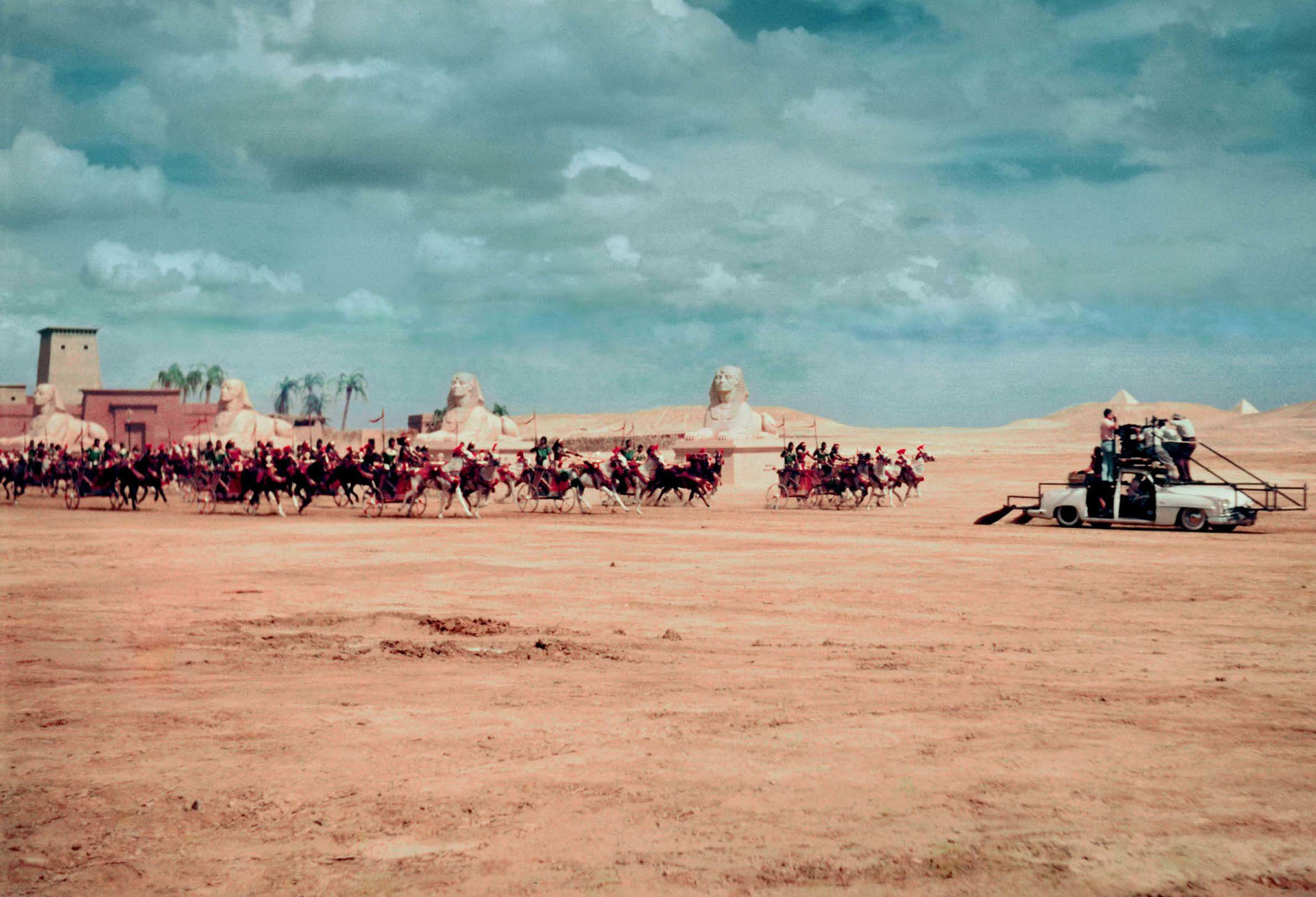
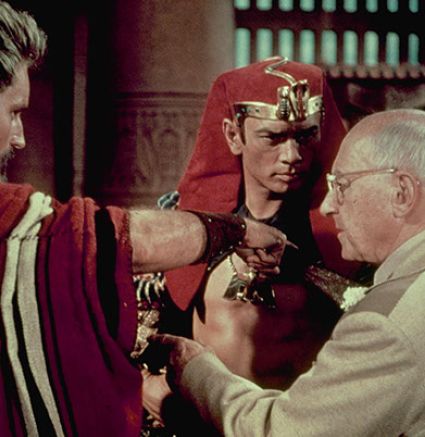
The 30s through the mid-50s proved to be an immensely successful period for Paramount. Many of the classics we’ve all come to know and love were created during this time. In the midst of the Great Depression, the memorable Bing Crosby musicals, Cecil B. DeMille spectacles and the outrageous comedies of Mae West were all created.

Throughout our history, Paramount has nurtured and aided the industry’s most legendary movie talent. From the earliest years and through the 1930s, actors and actresses were more like professional football players of today. They were contracted by the different studios to only appear in each particular studio’s movies. They were also traded back and forth for particular productions between studios. (In more recent times, actors, directors and other talent now have the freedom to work on any production they wish, with any studio.)

1960 - 1979

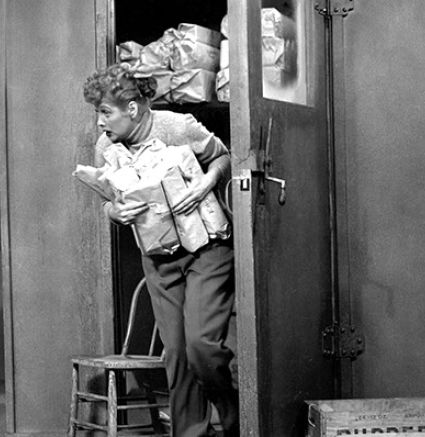
In the mid-1960s Paramount dove head first into the world of television. In 1967, the lot underwent one of its largest expansions with the purchase of Desilu television studios from Lucille Ball. With the acquisition, Paramount controlled and produced some of the most unforgettable TV series ever.

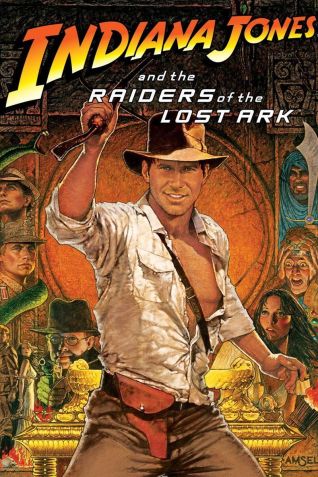
Despite focusing a great deal of energy on television, Paramount still continued to turn out countless, unforgettable movies. It was during this time that some of the most groundbreaking movies were created like the influential Godfather series, which set the standard for almost all gangster movies to follow.

Turn of the Century Blockbusters

Content

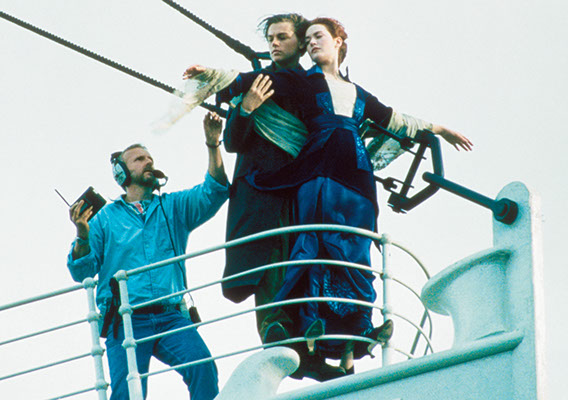
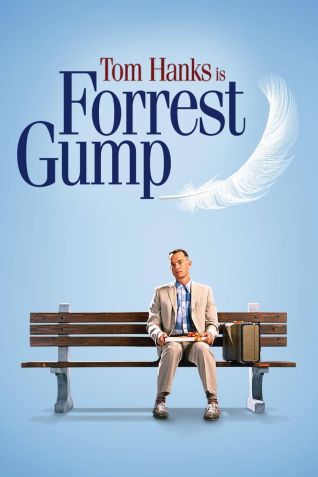
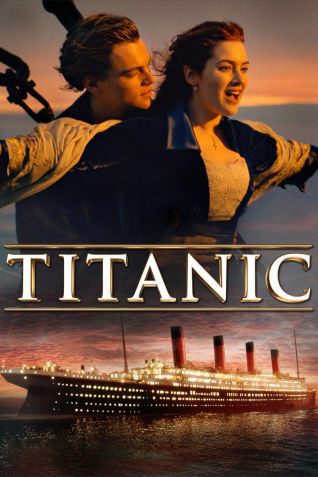
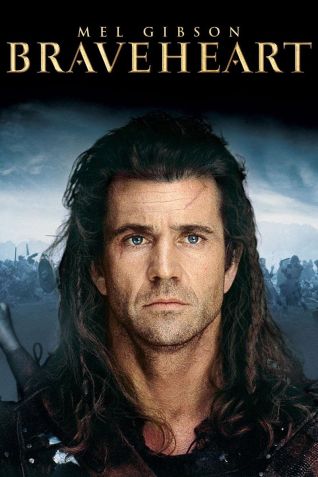
The 1980s gave rise to some of the nation’s most memorable films – many of which went on to become enduring franchises. Critical acclaim continued to pour in over the movies coming from the Paramount lot, especially for many of the movies with historical backgrounds, like Forrest Gump, Braveheart and Titanic (all three of these won the Academy Award for Best Picture).

The most successful of these films, Titanic, a joint production with 20th Century Fox, became the highest grossing film up to that time, grossing over $1.8 billion worldwide, and retained that title until recently topped by Avatar.

titanic_still_ks_c216-28.jpg

A New Century Begins

2005

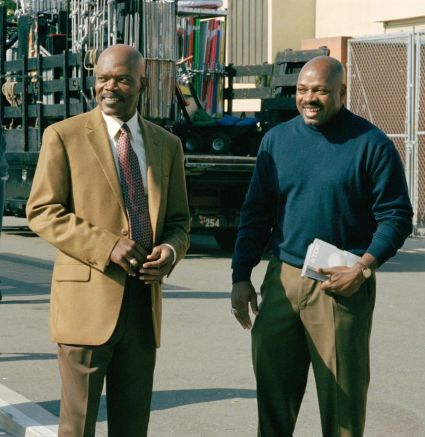
As the 21st century began to unfold, Paramount continued to remain one of the biggest and best forces in the film industry and reaffirmed its place as one of Hollywood’s most enduring studios. With acclaimed and crowd-pleasing releases such as War of the Worlds, Coach Carter, and Transformers, the studio continued to deliver the kind of memorable, large-scale storytelling that defined modern cinema. During this period, the studio focused on revitalizing its creative partnerships, expanding international reach, and investing in forward-looking production and distribution capabilities that would set the stage for the next generation of filmmaking.

2015

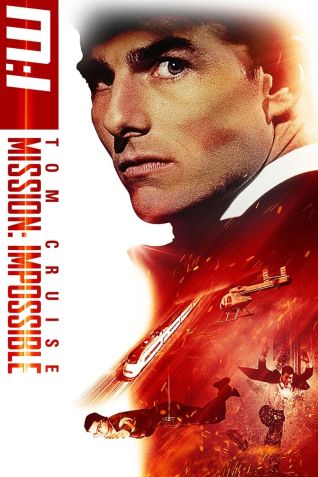
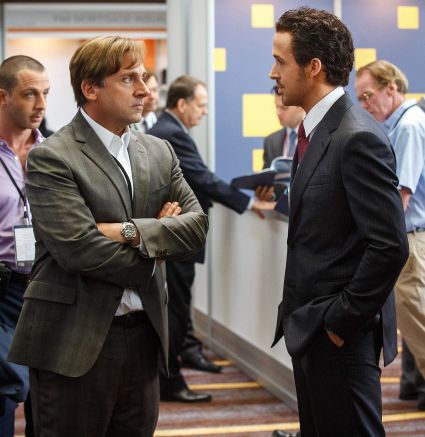
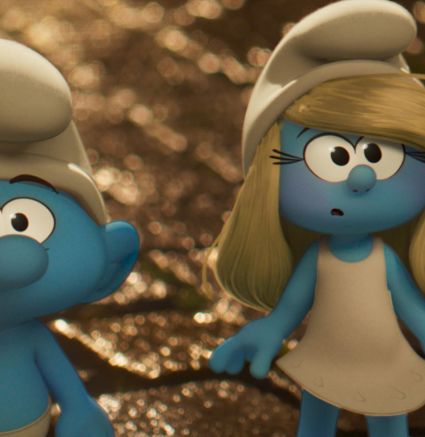
A decade later, Paramount Pictures thrived in an era of global franchises and digital transformation. The studio balanced blockbuster entertainment with prestige storytelling, releasing standout titles such as Mission: Impossible - Rogue Nation, The Big Short, Selma, and The SpongeBob Movie: Sponge Out of Water. Paramount’s 2015 slate reflected a studio capable of honoring its iconic legacy while embracing new platforms, new audiences, and bold creative risks. With a focus on both cultural resonance and global appeal, Paramount solidified its position as a leader in cinematic storytelling across genres and generations.

2025

Now under Paramount, a Skydance Corporation, the studio begins a new era defined by innovation, creative excellence, and technological ambition. The studio is evolving into a fully integrated, tech-enabled hub for film, television, and interactive storytelling while bridging classic artistry with next-generation tools and platforms. Building on its legacy of beloved franchises and visionary filmmaking, Paramount Pictures is embracing the future of entertainment with a renewed focus on empowering creators, fostering collaboration, and delivering extraordinary stories to audiences around the world.